Choosing the right vinyl siding for your home in cold climates can be a daunting task. Harsh winters, freezing temperatures, and unpredictable weather place significant demands on exterior materials. If you’re searching for the best vinyl siding brands for cold climates, you’ve likely experienced frustration with products that crack, warp, or lose insulation value over time. This guide is designed to help you navigate the complexities of selecting vinyl siding that withstands cold weather, maintains curb appeal, and offers excellent value.
With rising energy costs and a growing focus on home efficiency, investing in quality vinyl siding is more important than ever. The market now offers advanced options tailored to cold environments, incorporating features such as enhanced durability, superior insulation, and resistance to moisture. In this article, we will explore top brands, compare their features, pricing, and suitability for cold climates, and provide expert advice to help you make an informed decision that fits your needs and budget.
Let’s dive into the best vinyl siding brands for cold climates so you can protect and beautify your home for years to come.
Table of Contents
- Comparison Table of Best Vinyl Siding Brands for Cold Climates
- 1. CertainTeed Vinyl Siding
- Overview
- Features
- Pricing
- Advantages
- Disadvantages
- Best For
- User Experience
- Expert Opinion
- 2. Alside Vinyl Siding
- Overview
- Features
- Pricing
- Advantages
- Disadvantages
- Best For
- User Experience
- Expert Opinion
- 3. Royal Building Products Vinyl Siding
- Overview
- Features
- Pricing
- Advantages
- Disadvantages
- Best For
- User Experience
- Expert Opinion
- 4. Mitten Vinyl Siding
- Overview
- Features
- Pricing
- Advantages
- Disadvantages
- Best For
- User Experience
- Expert Opinion
- 5. Georgia-Pacific Vinyl Siding
- Overview
- Features
- Pricing
- Advantages
- Disadvantages
- Best For
- User Experience
- Expert Opinion
- How to Choose the Best Vinyl Siding for Cold Climates
- What to Look For
- Important Features
- Pricing Factors
- Hidden Costs
- Tips for Choosing Wisely
- Frequently Asked Questions
- Is vinyl siding a good choice for cold climates?
- What is the difference between insulated and non-insulated vinyl siding?
- How long does vinyl siding last in cold weather?
- Can vinyl siding crack in freezing temperatures?
- Does vinyl siding help with energy efficiency in winter?
- What maintenance does vinyl siding require in cold climates?
- Summary of Recommendations
Comparison Table of Best Vinyl Siding Brands for Cold Climates
| Brand | Insulation Options | Weather Resistance | Warranty | Price Range | Best Feature |
|---|---|---|---|---|---|
| CertainTeed | Insulated & Non-Insulated | Excellent Freeze-Thaw Resistance | Limited Lifetime | $$$ | Durability & Energy Efficiency |
| Alside | Insulated Panels Available | High Impact & Cold Weather Resistance | Limited Lifetime | $$ | Value & Versatility |
| Royal Building Products | Insulated & Non-Insulated | Strong Against Cracking in Cold | Limited Lifetime | $$ | Customization & Color Options |
| Mitten | Innovative Insulated Panels | Outstanding Thermal Performance | Limited Lifetime | $$$ | Energy Savings & Cold Climate Design |
| Georgia-Pacific | Standard Vinyl & Insulated | Good Cold Weather Durability | Limited Lifetime | $ | Budget-Friendly & Reliable |
1. CertainTeed Vinyl Siding
Overview
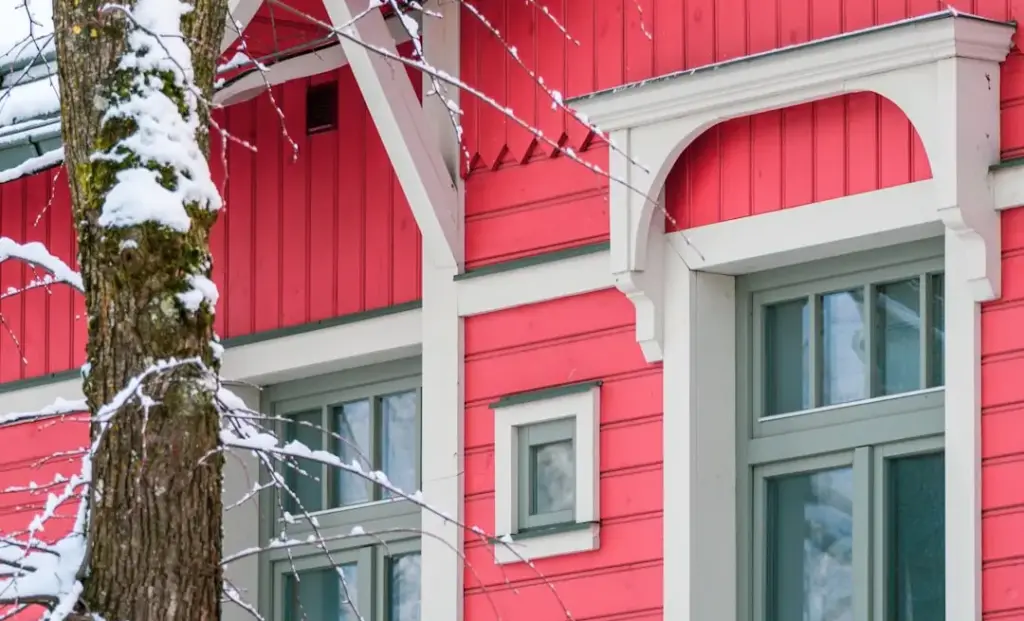
CertainTeed is a leading name in the siding industry, known for producing high-quality vinyl siding that performs well in cold climates. Their insulated siding options are designed to provide extra thermal resistance, reducing heating costs and preventing cold air infiltration.
Features
- Impact-resistant, engineered to withstand freeze-thaw cycles
- Available in insulated panels with foam backing
- Wide variety of colors and textures mimicking wood grain
- Fade-resistant technology for long-lasting aesthetics
- Class 1 fire rating
Pricing
CertainTeed siding is priced in the mid-to-high range, reflecting its quality and performance. Expect to pay between $3.50 and $5.50 per square foot, depending on the product line and insulation options.
Advantages
- Excellent durability in harsh winter conditions
- Energy-efficient insulated panels reduce heating bills
- Strong warranty coverage
- Extensive color and style options
Disadvantages
- Higher upfront cost compared to some competitors
- Requires professional installation for best results
Best For
Homeowners seeking a premium, energy-efficient siding solution with a focus on durability and aesthetics in cold climates.
User Experience
Customers consistently praise CertainTeed for its robust performance during harsh winters and appreciate the insulation benefits. Some note installation costs can be higher, but the siding’s longevity justifies the investment.
Expert Opinion
CertainTeed’s siding is considered one of the best for cold climates due to its superior freeze-thaw resistance and insulation options. Experts recommend it for those willing to invest upfront for long-term savings and durability.
2. Alside Vinyl Siding
Overview
Alside offers affordable vinyl siding options with insulated panels designed to handle cold weather stresses. Their products balance performance and value, making them a popular choice for homeowners on a moderate budget.
Features
- Insulated panels with high-density foam backing
- Cold weather impact resistance
- Wide range of colors and finishes
- Easy to maintain and clean
Pricing
Alside siding typically costs between $2.50 and $4.00 per square foot, making it an accessible option for many homeowners.
Advantages
- Good cold climate durability at a reasonable price
- Energy-saving insulation reduces heat loss
- Relatively easy installation
- Strong warranty coverage
Disadvantages
- Some customers report color fading over time
- Less premium feel compared to high-end brands
Best For
Homeowners seeking solid performance and insulation in a cost-effective package.
User Experience
Users appreciate Alside’s balance of price and quality, especially for cold climates. While some note minor fading, most find the siding durable and efficient at insulating their homes.
Expert Opinion
Alside is a reliable mid-tier option that offers many features needed for cold climate performance without the premium price. Recommended for those who want quality without overspending.
3. Royal Building Products Vinyl Siding
Overview
Royal Building Products specializes in customizable vinyl siding with insulated and non-insulated options. Their siding is engineered to resist cracking and warping even in freezing temperatures.
Features
- Insulated panels with energy-efficient foam backing
- Wide selection of colors and custom styles
- Designed for freeze-thaw durability
- Textured surfaces with realistic woodgrain
Pricing
Pricing ranges from $2.75 to $4.50 per square foot, depending on style and insulation choice.
Advantages
- Good resistance to cold weather damage
- Extensive customization options
- Energy-saving insulated panels
Disadvantages
- Installation can be more complex due to customization
- Some finishes may require additional maintenance
Best For
Homeowners wanting a custom look with reliable cold climate performance.
User Experience
Users like Royal Building Products for its variety and durability. Installation complexity is a common note, but quality and aesthetics are highly rated.
Expert Opinion
Royal’s siding is a solid choice for those who prioritize appearance and energy efficiency. It holds up well in cold climates when installed properly.
4. Mitten Vinyl Siding
Overview
Mitten focuses on insulated vinyl siding specifically engineered for energy savings in cold environments. Their products incorporate innovative foam technology for enhanced thermal performance.
Features
- High-performance insulated siding with advanced foam backing
- Superior energy efficiency reducing heating costs
- Durable against cracking and moisture intrusion
- Wide color and style options
Pricing
Mitten siding is priced at the higher end, typically $4.00 to $6.00 per square foot, reflecting its advanced insulation technology.
Advantages
- Outstanding energy savings in cold climates
- Durable and resistant to cold weather damage
- Strong warranty and customer support
Disadvantages
- Higher initial investment
- Limited availability in some regions
Best For
Homeowners prioritizing energy efficiency and willing to invest upfront for long-term savings.
User Experience
Customers report significant reductions in heating bills and satisfaction with the siding’s durability in winter. Some mention installation challenges due to specialized panels.
Expert Opinion
Mitten is a top-tier choice for cold climates, especially where energy savings are a priority. Experts recommend it for eco-conscious homeowners and those facing severe winters.
5. Georgia-Pacific Vinyl Siding
Overview
Georgia-Pacific offers budget-friendly vinyl siding options with basic insulation features suitable for cold regions. Their siding is designed for durability and ease of installation.
Features
- Standard and insulated vinyl panels
- Good impact and cold weather resistance
- Simple, classic styles and colors
- Maintenance-free finish
Pricing
Georgia-Pacific siding is among the most affordable, costing between $1.75 and $3.00 per square foot.
Advantages
- Cost-effective for cold climates
- Easy to install
- Reliable durability for price point
Disadvantages
- Limited insulation effectiveness compared to premium brands
- Fewer style and color options
Best For
Budget-conscious homeowners needing functional, cold-weather siding without premium features.
User Experience
Users find Georgia-Pacific siding meets basic needs well and holds up reasonably in cold weather. It’s often chosen for cost reasons or secondary buildings.
Expert Opinion
Georgia-Pacific is a practical choice for affordable vinyl siding in cold climates but lacks advanced insulation or aesthetic variety. Best suited for basic needs or starter homes.
How to Choose the Best Vinyl Siding for Cold Climates
What to Look For
- Insulation: Choose siding with foam-backed insulated panels to improve energy efficiency and reduce heat loss.
- Durability: Look for impact- and freeze-thaw resistant materials to withstand harsh winters.
- Warranty: A strong warranty indicates manufacturer confidence in cold climate performance.
- Color and Finish: UV-resistant colors maintain appearance in snowy, sun-exposed environments.
- Moisture Resistance: Quality vinyl siding should resist moisture absorption and prevent mold or rot behind walls.
Important Features
- Insulated foam backing for thermal efficiency
- High impact resistance to prevent cracking
- Fade-resistant surface coatings
- Easy maintenance and cleaning
- Compatibility with existing home systems
Pricing Factors
Costs depend on insulation type, brand reputation, style, and panel thickness. Insulated vinyl siding typically costs more but offers energy savings. Installation and labor also affect total price.
Hidden Costs
- Removal and disposal of old siding
- Additional insulation or house wrap materials
- Professional installation fees
- Possible repairs to underlying structures
Tips for Choosing Wisely
- Evaluate long-term energy savings versus upfront costs
- Consult with local contractors familiar with cold climate challenges
- Check product certifications and third-party testing
- Consider warranty coverage and claims process
- Read customer reviews focusing on cold weather performance
Read also: Cost Benefits of Vinyl Siding Over Wood Siding: A Detailed Guide to understand the financial advantages of vinyl siding.
Frequently Asked Questions
Is vinyl siding a good choice for cold climates?
Yes, vinyl siding, especially insulated types, performs well in cold climates. Modern vinyl siding is designed to resist cracking, warping, and moisture damage caused by freeze-thaw cycles, making it a durable and energy-efficient option for colder regions.
What is the difference between insulated and non-insulated vinyl siding?
Insulated vinyl siding has a foam backing that adds thermal resistance, improving energy efficiency and helping keep homes warmer in winter. Non-insulated siding lacks this backing and provides less insulation, which can lead to higher heating costs in cold climates.
How long does vinyl siding last in cold weather?
Quality vinyl siding can last 25 to 40 years or more in cold climates if properly installed and maintained. Insulated siding with freeze-thaw resistant materials tends to have the greatest longevity in harsh winter conditions.
Can vinyl siding crack in freezing temperatures?
Yes, cheaper or poorly manufactured vinyl siding can crack in freezing temperatures due to brittleness. However, premium brands designed for cold climates use additives and thicker panels to minimize this risk.
Does vinyl siding help with energy efficiency in winter?
Insulated vinyl siding can improve energy efficiency by adding an extra layer of thermal resistance, reducing heat loss through exterior walls. This can lower heating bills and improve indoor comfort during cold months.
What maintenance does vinyl siding require in cold climates?
Vinyl siding is low maintenance but should be cleaned annually to remove dirt and debris. Inspect for cracks or damage after severe weather, and repair promptly to prevent moisture intrusion and energy loss.
Summary of Recommendations
Best Overall: CertainTeed stands out for its unmatched durability, insulation options, and long-lasting warranty. Ideal for homeowners seeking a premium solution for cold climates.
Best Value: Alside offers a great balance of performance, insulation, and price, making it an excellent mid-range choice.
Best Premium Option: Mitten excels in energy savings and insulation technology, perfect for eco-conscious homeowners ready to invest upfront.
Best Beginner Choice: Georgia-Pacific provides a budget-friendly, reliable siding option with basic insulation for those new to home siding upgrades.
Best for Advanced Users: Royal Building Products offers extensive customization and high-performance insulated siding for homeowners wanting precise control over aesthetics and energy efficiency.
Choosing the best vinyl siding brands for cold climates involves weighing durability, energy efficiency, price, and style preferences. This guide equips you with the knowledge to select siding that protects your home, reduces heating costs, and maintains beauty through harsh winters.
For detailed installation costs and financing options, consider checking out Cost to Install Vinyl Siding on 2000 Sq Ft House: Complete Guide & Pricing and Vinyl Siding Contractors with Financing Options: Top Picks & Expert Guide.